
In today’s fast-paced professional world, finding a job is no longer just about clicking “apply” on a portal. It is a strategic process that combines self-marketing, digital networking, and meticulous attention to detail. As an educational researcher and digital content creator, I have analyzed thousands of recruitment cycles. The difference between a candidate who gets “ghosted” and one who receives an offer letter often comes down to how well they adapt to modern hiring ecosystems.
Below is a roadmap to help you navigate the job market effectively.
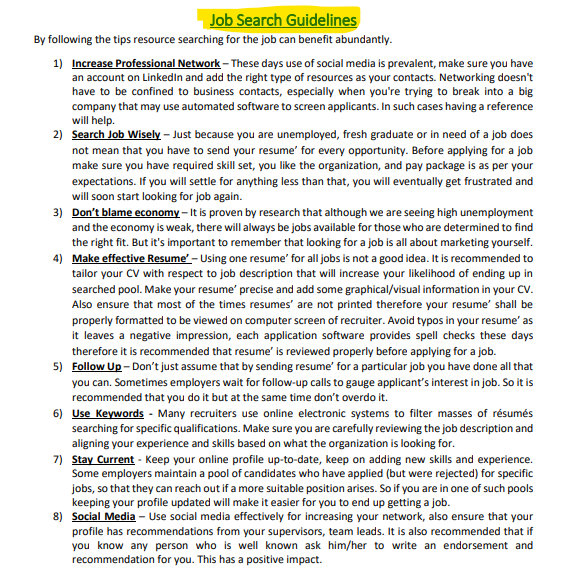
Strategic Job Search Framework
| Step | Focus Area | Key Action Item |
| 1. Networking | Digital Presence | Build a strong LinkedIn profile and connect with industry peers, not just HR. |
| 2. Selection | Targeted Searching | Only apply to roles that align with your skills, values, and salary expectations. |
| 3. Documentation | Resume Tailoring | Customize your CV for every specific job description to pass ATS software. |
| 4. Persistence | Professional Follow-up | Gauge interest through timely, professional follow-ups after submission. |
| 5. Growth | Continuous Learning | Keep your skills and profiles updated to remain visible in talent pools. |
In-Depth Guide: Navigating the Modern Job Market
1. Redefining Networking
Many believe networking is about asking for favors. In reality, it is about building professional relationships. In a world where big companies use automated screening software, having an internal reference can bypass these hurdles. Use LinkedIn to connect with people in your desired roles. Ask for advice, share industry insights, and become a recognizable name before you even submit your application.
2. Quality Over Quantity: Searching Wisely
Desperation leads to poor career choices. Applying to every opening you see will lead to burnout and dissatisfaction. Instead, evaluate the organization’s culture and the compensation package. If the role doesn’t align with your long-term goals, you will likely find yourself back on the job market within months.
3. The Myth of the “Bad Economy”
While economic downturns are real, they are often used as an excuse for poor preparation. Research consistently shows that opportunities exist for those who treat their job search as a marketing campaign. You are the product; your resume is the brochure. If you present yourself effectively, you can stand out even in a crowded market.
4. Crafting the Perfect Resume
Your resume is likely being viewed on a screen, not printed on paper. Format it for readability.
- Tailoring: Never use a generic resume. Align your skills specifically with the job description.
- Visuals: Incorporate clean graphical elements to break up text and make the document memorable.
- Accuracy: Typos are a sign of carelessness. Always use spell-check tools, but perform a manual review as well.
5. Strategic Follow-Ups
Sending an application is only the first step. Many recruiters look for follow-up calls or emails to gauge how much a candidate truly wants the role. Be consistent, but exercise caution—never “overdo” the contact, as it can appear desperate or intrusive.
6. Staying Current in Talent Pools
If you were rejected in the past, don’t burn bridges. Employers often maintain “talent pools” of past applicants. By keeping your profile and skills updated, you ensure that if a better-suited role opens up, you are already on their radar.
Also Read More About: Job Interview Guidelines
Expert Opinion:
- Don’t just list jobs; list outcomes. What did you change? What did you improve?
- Deepen your knowledge in your niche. If you are in tech, showcase side projects. If you are in management, get certifications.
- Get recommendations on LinkedIn from supervisors and team leads. Having others vouch for your work creates a level of trust that a resume alone cannot convey.
- Your digital presence (LinkedIn, portfolio) must match your interview persona. Consistency is key.
Frequently Asked Questions (FAQ)
Q1: How many resumes should I have?
A: You should have a “Master Resume” with all your experience, but you must create a tailored version for every specific job application to ensure you hit the right keywords.
Q2: Should I follow up if the recruiter hasn’t replied?
A: Yes, a professional follow-up shows genuine interest. Wait at least one week after the deadline or the expected response date before reaching out.
Q3: How do I handle a “weak economy” when looking for a job?
A: Don’t blame the economy. Focus on marketing your skills and networking harder. Your determination to find the right fit will often lead to success regardless of external conditions.
Q4: Does LinkedIn really help?
A: Absolutely. It is the primary tool for networking and getting recommendations from supervisors, which significantly increases your credibility.
Official Resources
To stay updated on current recruitment trends and find genuine job listings, regularly consult these portals:
- Punjab Job Portal: https://www.jobs.punjab.gov.pk
- LinkedIn Learning/Career Path: https://www.linkedin.com
For more career tips and daily job updates in Pakistan, stay connected with Jobspunjab.com.